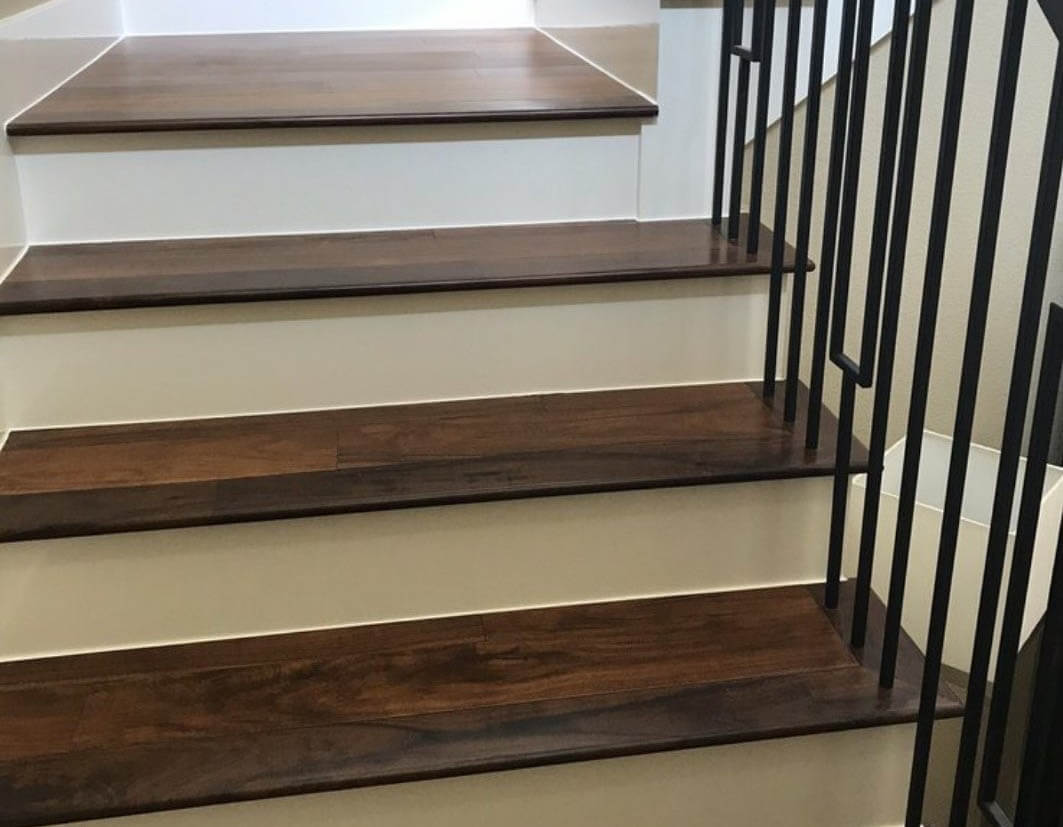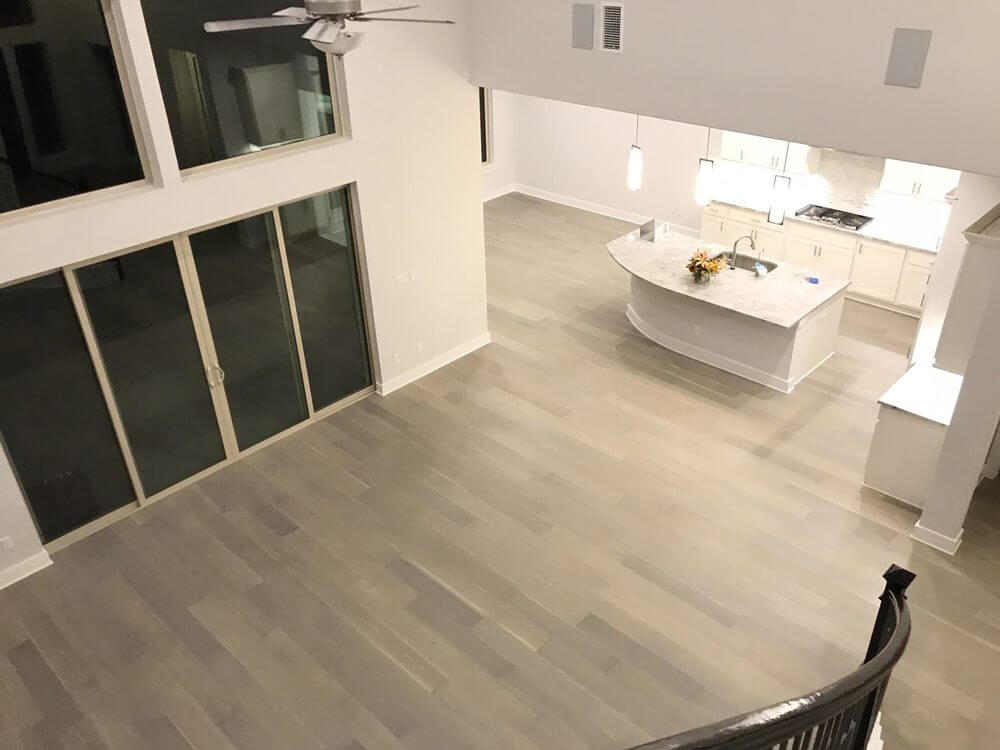
Wood Floor Installation


2315 Rutland Dr Austin, TX 78758 Hours M-Fri 8am -5pm Tue &Thu 8am -7pm


austin carpet

austin flooring

shaw flooring

hardwood


Hardwood Installation

Hardwood Floor Installation Instructions

Wood Flooring Installation Video and Manual

austin hardwood flooring   Wood Faq installation


INTRODUCTION

As part of the National Hardwood Flooring Association our company will provide only accurate and proper information for the nail down and glue down hardwood installation. Our hardwood floor installation instructions guide will help you with any home improvement wood floor installation procedure that requires spreading glue on concrete, or a wood sub-floor.

INSTALLER, CONTRACTOR, OWNER RESPONSIBILITY

Hardwood flooring is a natural product. It may have defects from the manufacture's process of making the floor, or as a normal characteristic of nature. It is up to the Installer, Contractor, or Owner responsibility to comb thru material and call out any defects for that matter. Cutting these out and using the ends for cuts or starters increases the yield of the wood. 5-10% is the overage for industry standards. For any hardwood installation project of any size you must order 5-10% over.

Before any hardwood installation, the Installer, Contractor, or Owner assume all responsibilities for final inspection and quality control. You should never install hardwood floors that are not acceptable. Final grade inspection of make, finish, and characteristic is the sole responsibility of the Installer, Contractor, or Owner. Installer, Contractor, or Owner must exercise common sense, good judgment, and skill during hardwood floor installation home improvement procedure. Once a hardwood floor is installed, it is considered to be accepted by the Installer, Contractor, or Owner. Any hardwood installation will not be Austin Flooring Store's responsibility due to defects, lack of judgment, quality control, labor, hardwood floor installation decisions, wood, and associated costs.

The Installer, Contractor, or Owner must check for environment and quality of sub-floor for proper and acceptable industry standards. Austin Flooring Store declines any responsibility with any deficiencies associated with sub floor, hardwood installation, or job-site environment.

Installer, Contractor, or Owner must call out hardwood planks during the hardwood floor installation. Putty or filler may be used for any imperfections and is considered a normal process of any hardwood installation.

TOOLS AND ACCESSORIES

  • Tape Measure
  • Broom
  • Rubber mallet
  • No.2 pencil
  • 3-M Blue Tape 2"
  • Table saw
  • Jamb saw
  • Hammer
  • Urethane cured hardwood floor glue
  • Urethane hardwood floor glue cleaner
  • Quality moisture meter with manufacture's relevant exotic species calibration figures
  • Calcium Chloride test (optional for moisture meter)
  • Crowbar
  • Roller 75 lbs.
  • Floor scrapper(4-8" replacement blades)
  • 6' to 10' foot straight edge
  • Finish trowel
  • Manufacture's recommended glue trowel for glue and type of hardwood floors
  • Screwdriver
  • Two 5 gallon buckets(for mixing leveling compound)
  • Heavy duty drill mixer and mixer for thin-set or texture

A warranted moisture sealer product may be used if moisture content of sub floor exceeds industry standard levels. (See step 6 for moisture levels checking procedure) Here are a few recommended sealer and glue systems we highly recommend with the use of installing hardwood floors. You can also get quality hardwood glue at you local Home Depot and Lowes home improvement store.

  • Bostik MVP (Moisture Vapor Protection) Used to seal the sub-floor along with the use of Bostik Moisture Cured Urethane Adhesive. See www.bostik-us.com for details.
  • Franklin Titebond 531 Epoxy Moisture Control System, used to seal sub floor along with the use of Franklin Moisture Cured Adhesive.
  • Sika Primer used to seal the sub floor along with the use of Sika T55 Adhesive. See www.sikausa.com for details.
  • Dri -Tac-MCS 7000 Concrete Control used to seal the sub-floor along with the use of Dri -Tac 7600 Moisture Cured Urethane Adhesive. See www.dritac.com for details.

Here are some more urethane-cured hardwood floor glues that provide bond only warranties. No moisture protection warranties are offered with the following glues listed below:

  • Franklin 811 or Franklin 811 Plus Urethane Adhesive
  • Dri Tac7600
  • Bostik's Best, Bostik's Fast Tack, Bostik's BST Urethane
  • Parabond 4002
  • Sika Bond T55
  • WE DO NOT RECOMMEND WATER BASED GLUE FOR ANY HARDWOOD FLOOR INSTALLATION

STEP 1: SITE INSPECTION

Prior of hardwood floor installation, including stairs, the building must be structurally sound and completed. All exterior walls, windows, and doors must be completed. All interior construction walls and paint must be completed with proper drying time. If paint is not properly dried, it may cause a slight elevation in moister content within the building. All HVAC systems must be fully functioning 14 days prior for any hardwood floor installation. Always try to maintain a consistent room temperature of 60-75 degrees Fahrenheit. The relative humidity should be kept between 35-55%.

Proper Exterior drainage must be established. Exterior drainage must point away from house. Gutter systems and down spouts must be completed. Hardwood flooring is not recommended in bathrooms due to fluctuation or instability of moisture content with in bathrooms. Moisture content of sub floor must be checked prior to any hardwood floor installation.

The hardwood floors must be acclimated in a controlled environment meeting industry standards just described above. Hardwood is a porous product; this characteristic is the nature of wood. It contracts and expands. This is caused by the relative humidity in the atmosphere present. All hardwood floors must acclimate for as long as possible.

Unload hardwood floors carefully and into the controlled environment. Boxes should be stacked 4" inches above slab to insure proper air circulation. The hardwood floors should acclimate in this controlled environment 3-5 days or until moisture content of hardwood does not exceed the sub floor 4% or manufactures recommendations. It is the Installer, Contractor, or Owner responsibility to check for this prior to hardwood floor installation. Although an engineered product is designed to withstand moisture due to the criss-cross ply structure, industry standards require these measures before any installation of any hardwood floor.

STEP 2: PERSONAL SAFETY PREPARATION

Personal safety preparation is essential any time conducting a project like a hardwood floor installation. Always wear protective clothing and dust masks for harmful dust. Eye protection is a must, always wear goggles. Exercise safety precautions for every situation, tool operational use, and method of movement during the wood floor installation. Use knee pads and back brace belt for heavy lifting. Use tennis shoes to minimize damage to hardwood floor finish caused by buttons, metal tip boots or any foreign sharp metal or aluminum foreign objects on shoes or work boots that may cause damage to wood floor finish. If safety regulations in certain situations do not allow the wear of tennis shoes, beware of metal tip boots, buttons metal objects, or sharp foreign objects on shoes or boots that may cause damage to hardwood floor finish. Make sure knee pads are hardwood floor friendly, meaning they are not the hard plastic cup knee pads. Soft rubber pads or cushion knee pads with elastic Velcro straps are preferable. For these reduce the risk of damage caused by abrasion to hardwood floor finish. Fans are essential for dust control. Always put fans facing outside as to suck out dust. Cover up furniture wisely during demolition process.

STEP 3: SUBFLOOR DEMOLITION

Using a utility knife carefully cut out carpet in 3' feet by 3' feet squares or tiles. This insures carpet and pad may easily be handled and disposed of. Staking these carpet and pad tiles insures space reduction and obstruction. Once carpet and pad is removed from site, carefully remove tack strip with a crowbar or a chisel. Placing the chisel in front of each nail underneath the tack strip and tap it with a hammer until the concrete nail busts loose. Use careful precautions as not to tap to hard and missing, injuring yourself. The end of a crowbar is useful to pull up the nail. Remember these nails are nailed into the concrete maybe only 2\8" deep, so they are being held by high pressure in between the concrete. Concrete chunks the size of a quarter U.S. Dollar or bigger can fly in the air causing injury or damage. Exercise good judgment, common sense, and safety. Dispose of and remove from site tack-strip. Do not leave tack-strip exposed for safety. Tack-strip may be carefully wrapped within carpet or pad tiles previously cut from job-site, or disposed of in closed container. Removal of baseboards is not necessary. You can use shoe molding or quarter-round in between baseboard and wood floor. Removal of baseboards however give it a cleaner look afterwards.

STEP 4: REMOVAL OF PAINT, WAX, AND FOREIGN MATERIALS

Apply a small amount of water to floor to loosen up paint and foreign materials. This also helps the paint become heavier. In relation of being influenced by the weight of water, it does not become airborne as easily if it would to be dry and flaky. Scrape up with a floor scrapper, one that uses a 4-8" blade system. Take precaution when handling the blades, for they are razor sharp and can easily cut through anything, causing serious and unbearable injury. Dispose blades in a closed container such as a bottle and close tight.

Some paint oils and wax may require a paint and oil remover. This can be acquired at Home Depot or Lowes local paint store. Carefully read and follow directions on can. Vacuum all paint and water residue. Steer away from sweeping, for this causes dust to elevate and can increase the airborne dust levels.

STEP 5: LEVELING OF FLOOR

Level flat within 3 \ 16" of an inch over 10' feet or 1 \ 8" of an inch over 6' feet. If leveling compound is needed use only portland based leveling compound from Parabond , Ardex , Mapei , or even Home Depot and Lowes home improvement store. Follow the hardwood manufactures recommendations. Any area containing leveling compound must be dried as per the manufacture's recommendations before proceeding with the hardwood installation. If the sub floor is plywood or equivalent, high areas can be sanded down flat.

High spots will have to be marked off on concrete slab and chipped down manually with hammer and chisel, or electric chipping hammer. Grinding down high spots can also be an alternative method but a messier one. Grinding down concrete produces allot of fine dust.

If plywood or equivalent, the sub floor must be structurally sound and secured with nails or screws every 6" inches along joists to reduce the possibility of squeaking after the hardwood floor installation

STEP 6: TESTING MOISTURE CONTENT

Meter used to measure concrete moisture

With a quality pin moisture meter, measure the moisture content of sub floor. If sub floor is plywood, measure it with a moisture meter designed to measure moisture in wood. The hardwood floor planks should not exceed 4% moisture content between the sub floors. Sub floors should not exceed 12%. If sub floors exceed 12% an attempt should be made to locate the moisture related problem and eliminate it. The two most common used moisture tests are:

  • Tramex Concrete Moisture Encounter Meter, moisture not to exceed 4.5 on the upper scale. See nwww.tramexltd.com for details.
  • Calcium Chloride Test, moisture transfer should not ever exceed 3 lbs\ 1000 square feet. One test for every 250 square feet. Such test may be acquired by local flooring distributor company or see www.taylortoo.com for details.

If moisture does exceeds manufactures recommendations, then a sealer must be applied. (see TOOLS AND ACCESSORIES for qualified sealants)

STEP 7: CUTTING DOOR JAMBS

Door-jambs should be undercut with a proper door- jamb cutter. The notch should be 1 \ 16" of an inch above the thickness of the hardwood floor. If an electrical door- jamb saw is not available, than a manual one may be obtained from the Home Depot or Lowe's. Place a hardwood floor plank next to the door-jamb and saw on top of the plank. With out moving the saw up or down, start saw cutting into the door- jamb while maintaining the saw blade flat on the hardwood plank. Most door jambs are no more the 1 \ 2" inch thick. Cut into the door trim the same way so all three sides of door jamb are cut out. If not removing baseboards, cut 1" or more into the bottom base board away from the end of the door trim to insure proper hardwood floor plank placement underneath door jamb in correlation with the quarter round or shoe-molding. The ends of finishing trim usually get cut at a 22 degree angle. If wood floor plank is not placed slightly under the base starting from the end of door-trim, a small gap may result from this action. A gap the size of a dime or less can result between quarter round or shoe molding end cut, and the door-jamb. Take precaution. Remove all baseboards if applicable. To re-install baseboards, follow the same nail hole pattern and same size nails used before, otherwise a stud finder will be necessary. One that also detects electrical and water pipe-lines, this way no water-lines get punctured with nails when re-installing base-boards.

STEP 8: PREPARING THE HARDWOOD FLOOR PLANKS

Open several boxes at a time to insure proper mixture of wood shade and color. The more boxes you open the better. This is also a good time for final inspection. Mark any defects the hardwood floor planks may have and simply cut them out. Use the left over end pieces to either start a row or finish one. Opening and choosing from several boxes at a time maximizes the mixing of shades over all.

STEP 9: ESTABLISHMENT OF THE BASE LINE

Nothing is more important than the base line. This is the first initial base line. First establish a direction in which you wish the hardwood floors to run. The longest outside wall is the preferred visual effect. Laying the wood floors parallel to light source is ok only if your floor is level. It is recommended you lay it flowing with the light source when possible. Outside walls are the true square of a house or building. Stack about 2 feet more or less of hardwood planks as if you were going to assemble them without glue, the distance of about 2 feet. Once finished assembling these hardwood floor planks, measure from the groove side of the plank to the outside tongue edge to get an exact measure. Mark you're measuring tape with a #2 pencil to insure measure. Add an additional 1 \ 2 " inch and mark the floor with the pencil in an arrow fashion indicating exact spot, pin pointing to the next 1 \ 32 " of an inch. Mark the floor at the right and left far end of the outer most longest outside wall. The closer to each corner, the more exact. Pop a chalk line with in these two pin points. This may take two people, one to hold one end, and the other person to hold the opposite end. Once the line has been established, check it to make sure the farthest walls from each other do not differ within 1 \ 4 " inch. If it does than you may need to establish another line using the same outside wall one board width more or one board width less.

Next you mark the chalk line just popped using simple arrows. Draw an arrow every 1' to 2' feet, pin pointing the line with these arrows. The arrows should be drawn the opposite side where you are going to spread the glue. These arrows will insure that the base line does not get lost due to glue or the hardwood floor planks covering it up during you're first base-line installation.

STEP 10: SPREADING THE HARDWOOD FLOOR GLUE

Once your base-line is established, the next step is to spread glue within the baseboards or if you don't have baseboards within the sheetrock and the chalk line. For example: our hardwood floor planks measure 3" inches in width. That means 4 planks equals 1' foot or 8 boards' equals' 2' feet. The width of the tongue measures 1 \ 8 " and the manufacture in this particular product recommends 1 \ 4 " inch gap min expansion all the way around all outer obstructions. So a mark of 24 3 \ 8" inch from the baseboard or sheetrock on the concrete floor. The room measures 10' feet by 10' feet. So now there is roughly a 24" inch by 10' linear feet which equals 24 square feet. Glue will be spread for working with 24 square feet. Follow manufacture's method of spreading hardwood floor glue. You can use liquid nails for a hardwood floors only on a repair of a plank or two. And the liquid nails has to be the subflooring or heavy duty kind. No sheet rock liquid nails for this type will not work. If hardwood floor is not sticking down with the glue then check two things. Make sure the glue is not water based. Make sure the concrete floor is clean of paint. Wipe of glue from wood floors with odorless mineral spirits. Test small area first to make sure it does not damadge finish. Use in ventilated area.

STEP 11: FIRST HARDWOOD FLOOR INSTALLATION PLANK

Lay your first hardwood floor plank preferably the longest and tongue facing away from glue. So you're outside edge of tongue touches the chalk line. To do this you must look directly above the tongue down to place the edge of tongue right on the base line right before it disappears below the tongue. If it does disappear due to movement, the arrows marked pin pointing the chalk line every 1 to 2 feet earlier will help you realign the hardwood floor planks again.

Next lay the following hardwood floor plank above the first floor plank. Make sure this floor plank is 6" inches or more shorter than the first one. The third hardwood floor plank will be placed above the second in the same fashion 6" inches or shorter than the second hardwood floor plank previously laid above the first hardwood plank. This is called a staggered stair case; it consists of 3 hardwood floor planks closed tight as possible. This stair case should be secured with the 3-M Blue Tape 2" inch. This insures the assembly does not loose its tight fit. These 3 boards should be assembled tightly before securing it with the blue tape. Once secured, then proceed to repeat the process, this time using same length boards for easier installation. The next following hardwood floor plank will be installed on top of the base line, butting up to the first original hardwood plank's head seam. The following plank which is the 5th hardwood plank is to be installed above the 4th plank which is aligned to the base line. The 5th hardwood plank head seam is to butt against the 2nd original head seam, and the 6th plank is to be placed above the 5th plank. The 6th plank head seam is to be butted against the 3rd original hardwood plank. Secure with blue tape.

A rubber mallet or tapping block may be used for assembly. Every 3 boards or so is to be secured with blue tape. Failure to do this may result in hardwood floor movement and gapping during the floor installation process. All glue must be removed from surface before applying the 3-ME Blue Tape. Use urethane glue adhesive remover or odorless mineral spirits as you go. Urethane based glue is hard to clean off if dried longer than 24 hours. Constantly clean hands and finger tips. Make sure glue is not under shoes.

STEP 12: INSTRUCTIONS FOR END CUTS

Once you have neared the end of wall, it is time to do the cutting of hardwood floor planks. Make sure to leave the manufacturer's recommended gap in between hardwood floors and outside obstructions. Always exercise good judgment, common sense, and safety procedures described with all power tools such as table saw, chop saw, and jamb saw. Follow manufacturer's cutting procedures and safety regulations.

The long cuts are to be performed with the table saw. Never ever attempt to cut hardwood with a skill saw. End cuts can be installed tightly with a crow bar. Always maintaining the hardwood floor aligned with the base line. Failure to do this will result in a crooked misaligned installation.

STEP 13: ROLLING THE HARDWOOD FLOOR

After a base line has been established, secured and completely clean from glue, dust, debris or foreign material, roll the floor with a 75 lb roller. Allot of adhesive manufacture's claim an optional "wet walk installation". Check with the manufacture of hardwood and glue for its installation recommendations. We strongly recommend rolling the hardwood floor. This insures proper glue transfer and flattens out planks to a smoother looking installation. This is called quality control. Because nobody's perfect you may encounter hollow spots or air pockets underneath hardwood floor. Additional weight may be needed to weigh down wood floor for proper glue transfer and adhesion. This weight can be a 25 lbs bag or an Olympic weight. Always place a cloth underneath weight to insure hardwood floors does not get scuffed or scratched. Remove weight after glue has dried. This method is not meant to replace leveling the floor. It is only a preventative measure in case you miss a spot.

STEP 14: CONTINUING WITH HARDWOOD FLOOR INSTALLATION PROCESS

Once the base line hardwood floor installation is complete, allow this base line to dry for an 1 hour. This insures it does not move out of base. The next set of rows (2' feet by (x) linear feet) will be much easier than the first initial base line. The reason for this is because before you installed you're first hardwood floor planks, an established base line did not exist. Now you have a firm and proper base line to go off by.

Again measure from the end of the tongue, which is flush with the base line, across 8 planks. Except this time we do not add 1 \ 4 " inch to the measurement. We remove the 1 \ 8 " inch of the tongue. The reason for this is to only mark 24" inches because we do not want to spread more glue than we will cover. This is a good preventative measure. If the hardwood floor installation comes to a stop and glue is spread out more than is going to be used, flatten out the glue with the flat side of the glue trowel. This prevents the glue from drying in the lumpy stage (tooth mark pattern from glue trowel) that it's in. When the hardwood floor installation resumes several hours later, their will be no struggle in closing the following hardwood floor planks.

If for some reason glue is not flattened out and it is dry, scraping up and stripping off glue clumps is the only option. This process is very painstaking, difficult and dangerous to do. Cut with a utility knife and scrape away glue from underneath the tongue. Scrape away glue from concrete. This method will rid of glue clumps and allow the hardwood floor planks to close tight again. If floor is to be covered use a breathable material such as cardboard or rosin paper. Do not cover the hardwood floor with plastic.

STEP 15: CONTINUING HARDWOOD FLOOR INTO ANOTHER ROOM\HALLWAY

By now you probably have already installed a room and are nearing to the continuation of the hardwood floor installation into another room or hallway. Stop the hardwood installation right before continuing into another room or hallway. Pick out about 3 hardwood planks similar in size or the same. Assemble them on the floor with out any glue as if installing them with out any glue. Avoid stair casing in this procedure. Trace the far end of the last board. Make sure this last board is the longest of the boards. Now a line is traced on the concrete floor with you're pencil. This is a temporary base line. Temporary because it is too short to be used as a primary base line.

Next stretch out the base line by popping a chalk line on top of it the length of the room or hallway, re-establishing base line again. This time instead of going off the outer longest exterior wall, you're going off of the same initial hardwood plank line. Door ways are usually only 30" to 36" inches in width, which isn't allot. The only way to stretch this base line marked on the floor, is to pop another chalk line again.

Take your chalk line, laying directly on top of this temporary base line marked with a pencil. Stretch the chalk line all the way to the far end of room or hallway. This procedure takes 2 people. One to hold the end and the other person is to hold the other directly above this short temporary base line. The person above the temporary line is to direct the other to gently lower the chalk line, avoiding to pop it or tap it hard on the floor. This person is to also direct instructions in which direction to move the chalk line until it is fine tuned and the temporary penciled base line disappears underneath chalk line. Pop the chalk line.

The base line is complete. Double check base line with walls making sure its parallel within 1 \ 4 " inch. If the base line is not parallel by 1 \ 4 " inch, remark it. Adjustments are tolerable because hardwood wood planks, although straight, can be manipulated to flex over a long stretch, since the planks are broken down, or the base line is broken up by various lengths. Remember walls are not always straight, don't be misled. Check walls to see if they are straight. Walls are usually parallel to each other within 1 \ 4 " inch. Walls that are off by 1 \ 2 " inch or more should be taken into consideration. Common sense and good judgment should be exercised.

STEP 16: COMMON SENSE CARE

Keep all hardwood floors free from dirt, water, food, grease and other spills that can damage wood floor finish. Clean floors periodically using only leading brand cleaner made for pre-finished hardwood floors. Read directions carefully. Do not use ammonia, polish, oil-based wax, abrasive cleaners, or furniture cleaners on hardwood floors. Install floor protectors underneath chairs and furniture or other items that may sit directly onto of hardwood floor. This may reduce damage done by accidental sliding of furniture. Regularly sweep, dust mop or vacuum to prevent dirt build up or grit scratches. Wipe up spills promptly with soft, dry cloth. Avoid walking on floors with sharp stiletto high heel shoes or soles in need of repair. Congratulations on your new hardwood floors.